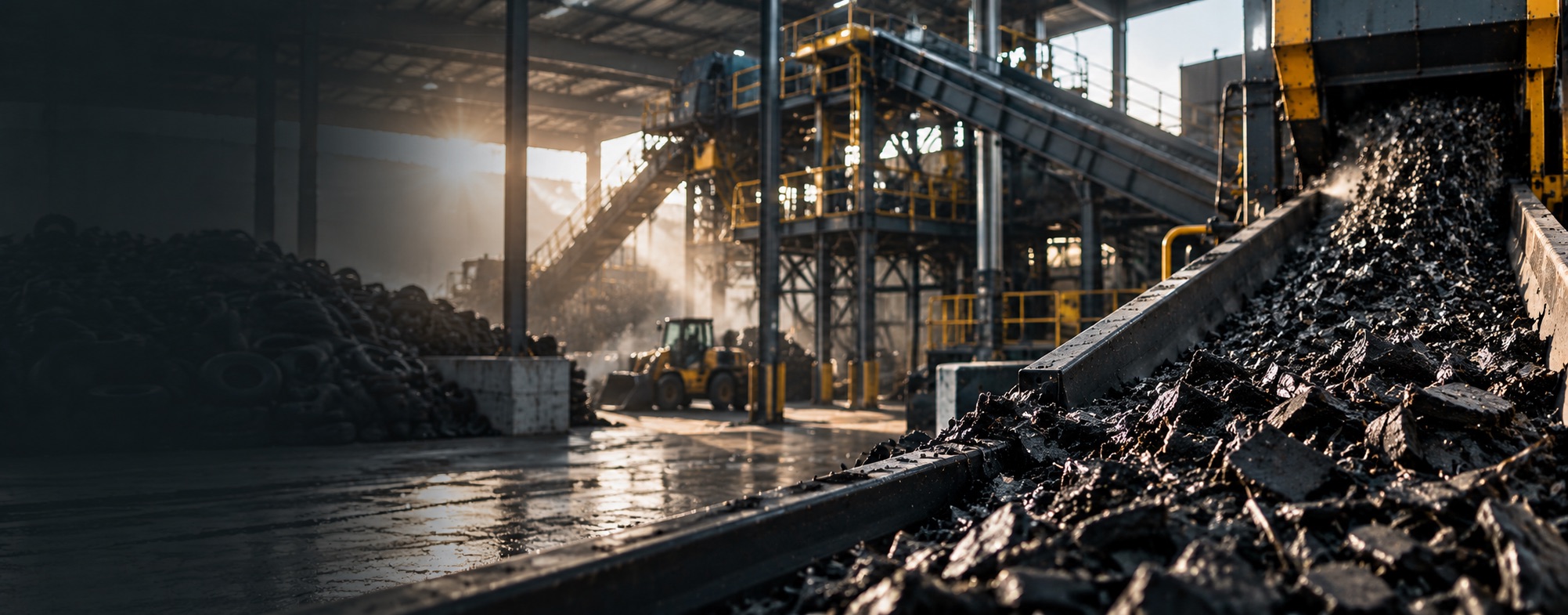
Tyre shreds moving through an industrial processing plant

Products

Six products, each with a defined industrial market.

A scrap tyre yields several distinct materials once it is shredded, granulated, or processed thermally. Together, these six products account for the full composition of the tyre.

Tyre shreds, rubber chips, and crumb rubber originate from mechanical processing, where particle size is the principal variable. Scrap steel wire is the metal fraction liberated during that processing. Pyrolysis oil and recovered carbon black originate from thermal processing, in which the rubber is decomposed in an oxygen-free reactor. They serve energy producers, steelmakers, road builders, and manufacturers, and each has its own technical requirements and commercial channels.

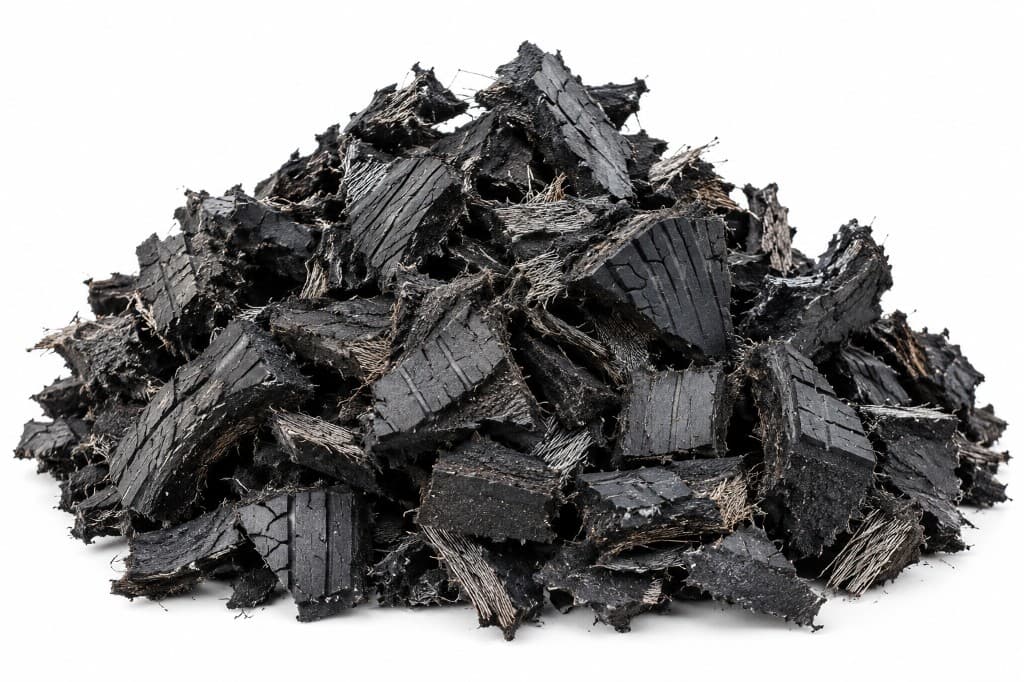
Pile of cut tyre shreds

01

Tyre Shreds

Size-reduced scrap tyres supplied for use as tyre-derived fuel, pyrolysis feedstock, and civil engineering fill.

Tyre shreds are produced by cutting whole scrap tyres into smaller pieces using heavy-duty shredding equipment. Size reduction converts a bulky, difficult-to-handle waste item into a material that can be stored, transported, and processed efficiently. Shredding is frequently the first stage of tyre recycling, and the resulting shreds are also a finished product in their own right.

Tyre shreds carry a high energy content, comparable to that of coal, which makes them a recognised fuel for cement kilns and other high-temperature industrial processes. They are the standard feedstock for tyre pyrolysis plants. In civil engineering, shreds are used as lightweight fill, drainage media, and construction material for landfill and embankment works.

Features

  • High energy content suited to use as tyre-derived fuel
  • Uniform pieces that are easier to handle, store, and transport than whole tyres
  • Standard feedstock for tyre pyrolysis plants
  • Lightweight with favourable drainage characteristics for civil applications
  • Suitable for bulk export shipment
  • Intermediate material for further processing into chips and crumb

Applications

  • Tyre-Derived Fuel for Cement Kilns
  • Pyrolysis Plant Feedstock
  • Industrial Furnace and Boiler Fuel
  • Lightweight Fill in Civil Engineering
  • Landfill Drainage and Construction Layers
  • Retaining Wall and Embankment Backfill
  • Feedstock for Granulation and Crumb Production
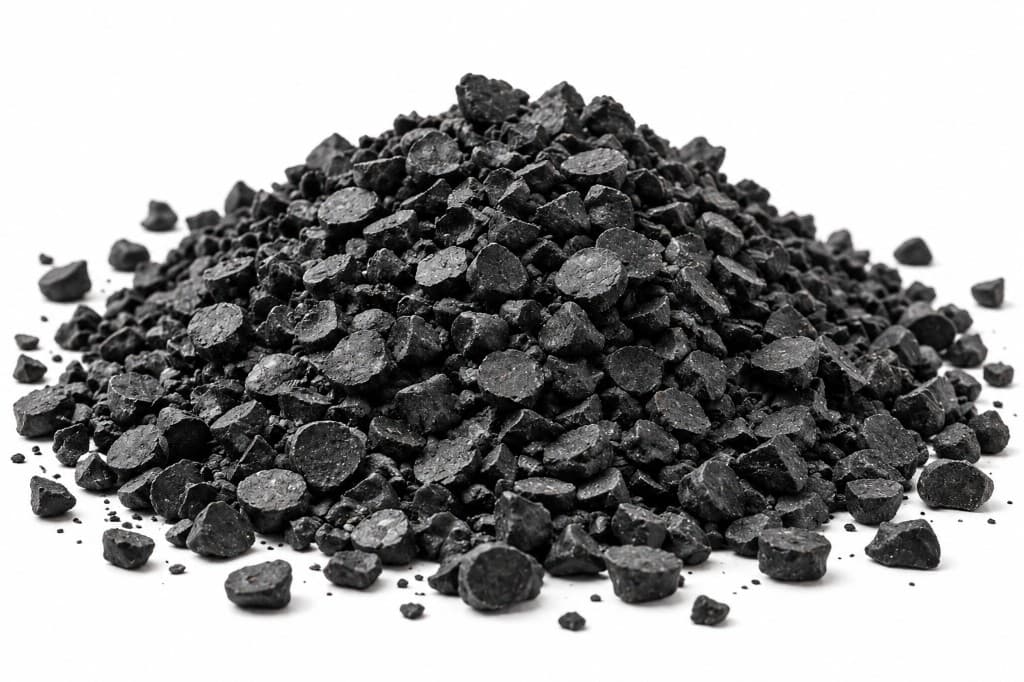
Pile of granulated rubber chips

02

Rubber Chips

Granulated rubber recovered from processed tyres, used in surfacing, landscaping, moulded products, and as industrial feedstock.

Rubber chips are granulated pieces of rubber recovered from processed tyres. Compared with shreds, chips are smaller and more uniform in size, and the majority of the steel has been removed. This produces a cleaner and more versatile material suited to a wider set of applications.

In landscaping and surfacing, rubber chips are valued for their durability and resilience. They are used as mulch, playground cover, and equestrian arena footing, where they resist weathering and do not decompose. In manufacturing, chips are bonded and moulded into finished products. They also serve as fuel and as pyrolysis feedstock for operations requiring a cleaner input than whole shreds.

Features

  • Consistent chip size with steel largely removed
  • Durable and resistant to weathering and decomposition
  • Resilient and shock-absorbing
  • Suitable for bonding and moulding into finished products
  • Applicable as both a surfacing material and an industrial feedstock
  • Recovered from end-of-life tyre material

Applications

  • Playground and Recreational Surfacing
  • Landscaping Mulch and Ground Cover
  • Equestrian Arena and Track Footing
  • Moulded Rubber Product Manufacturing
  • Bonded Rubber Flooring and Tiles
  • Pyrolysis Plant Feedstock
  • Industrial Fuel Applications
  • Drainage and Erosion Control Media
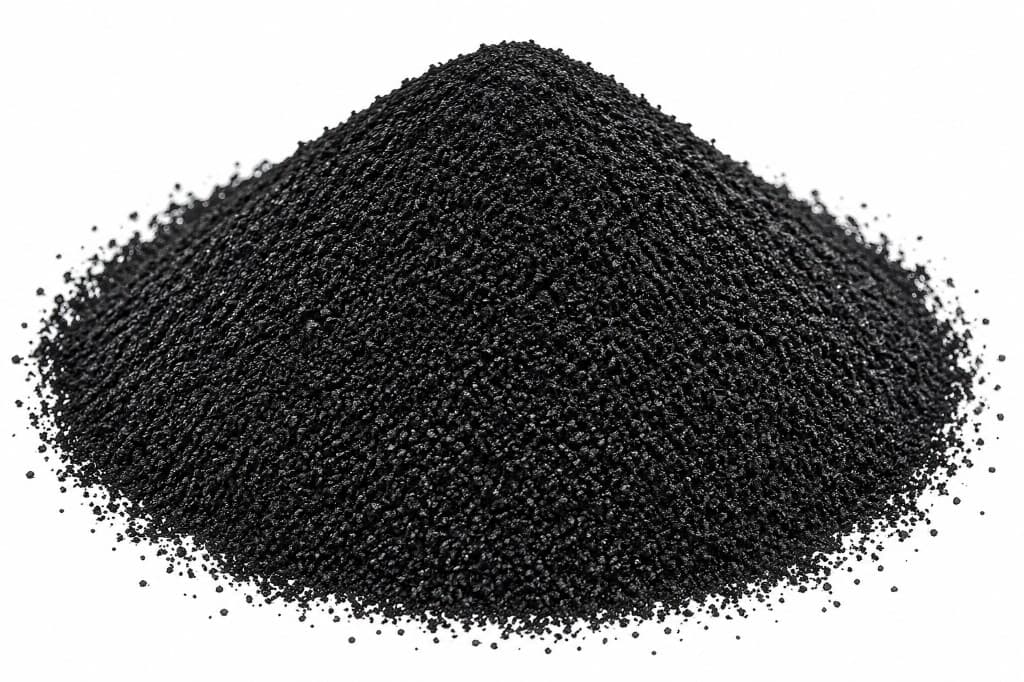
Pile of fine 30 mesh crumb rubber

03

30 Mesh Crumb Rubber

Fine rubber granules for rubber-modified asphalt, moulded rubber goods, sports surfaces, and rubber compounding.

Crumb rubber is finely ground rubber recovered from tyres. The 30 mesh grade corresponds to a particle size of approximately 0.6 mm, fine enough to blend uniformly into other materials and to give a consistent finish. It is one of the most widely traded rubber recovery products because it integrates into a broad range of manufacturing processes.

In road construction, crumb rubber is blended into asphalt to improve flexibility, resistance to cracking, and surface life. In manufacturing, it is used in moulded mats, sports surfaces, footwear components, and rubber compounds, where it replaces a portion of virgin rubber. Particle size is the defining characteristic of this product, and a stated mesh grade gives buyers the predictability required across successive production runs.

Features

  • Fine, uniform particle size at 30 mesh
  • Blends readily into asphalt, polymer, and rubber compounds
  • Replaces a portion of virgin rubber in manufacturing
  • Contributes flexibility and durability to finished products
  • Consistent grading supports repeatable production results
  • Recovered from end-of-life tyres

Applications

  • Rubber-Modified Asphalt and Road Surfacing
  • Moulded Rubber Mats and Flooring
  • Sports Surfaces and Running Tracks
  • Footwear Soles and Components
  • Rubber Compounding and Reclaim Rubber
  • Plastic and Rubber Blends
  • Sealants, Coatings, and Waterproofing Membranes
  • Automotive Parts and Industrial Rubber Goods
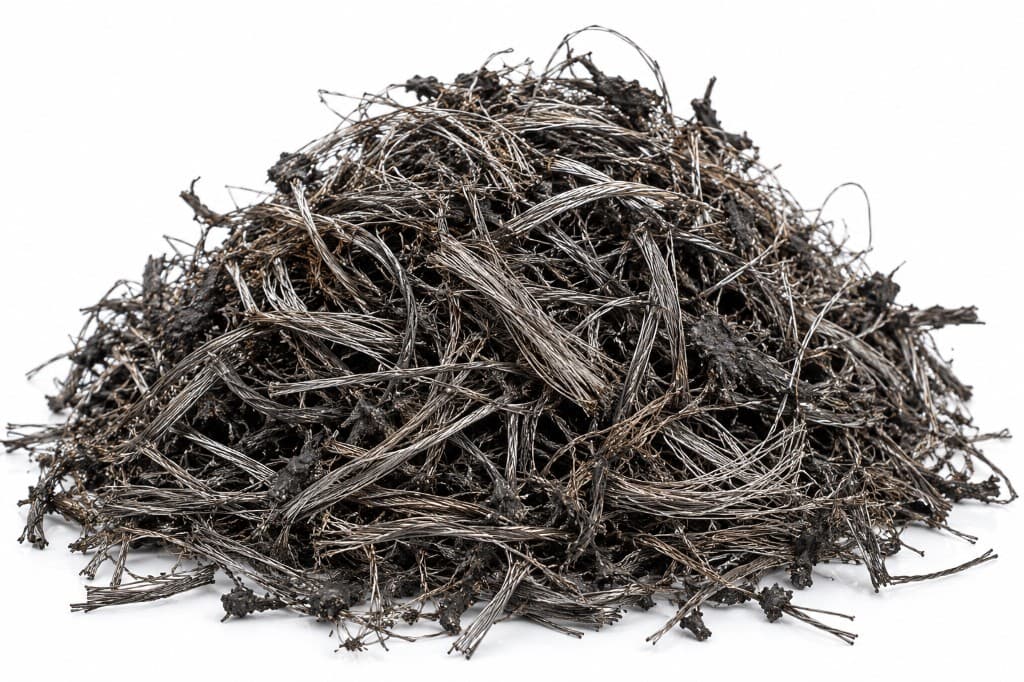
Pile of recovered scrap steel wire

04

Scrap Steel Wire

High-carbon steel wire recovered from tyre processing, supplied to steel mills, foundries, and metal recyclers.

Every tyre contains steel. Bead wire anchors the tyre to the rim, and steel belts reinforce the tread. When tyres are shredded and granulated, this wire is separated from the rubber and collected as a distinct material, known in the trade as tyre wire or bead wire.

The material is high-carbon steel and is valued by steelmakers for that reason. It is a ferrous input that returns to the production cycle through steel mills, foundries, and electric arc furnaces. Because steel produced from scrap requires considerably less energy than steel produced from iron ore, recovered tyre wire is among the more environmentally productive outputs of tyre recycling, and it commands a consistently active market.

Features

  • High-carbon steel recovered from tyre bead and belt reinforcement
  • Separated from rubber during tyre processing
  • Direct feed for steel mills, foundries, and arc furnaces
  • Supports lower-energy steel production compared with virgin ore
  • Established commodity with consistent industrial demand
  • Supplied in forms suited to bulk shipment

Applications

  • Steel Mill Scrap Feed
  • Electric Arc Furnace Charge Material
  • Foundry Melting Stock
  • Metal Recycling and Scrap Processing
  • Secondary Steel Product Manufacturing
  • Export Scrap Metal Trade
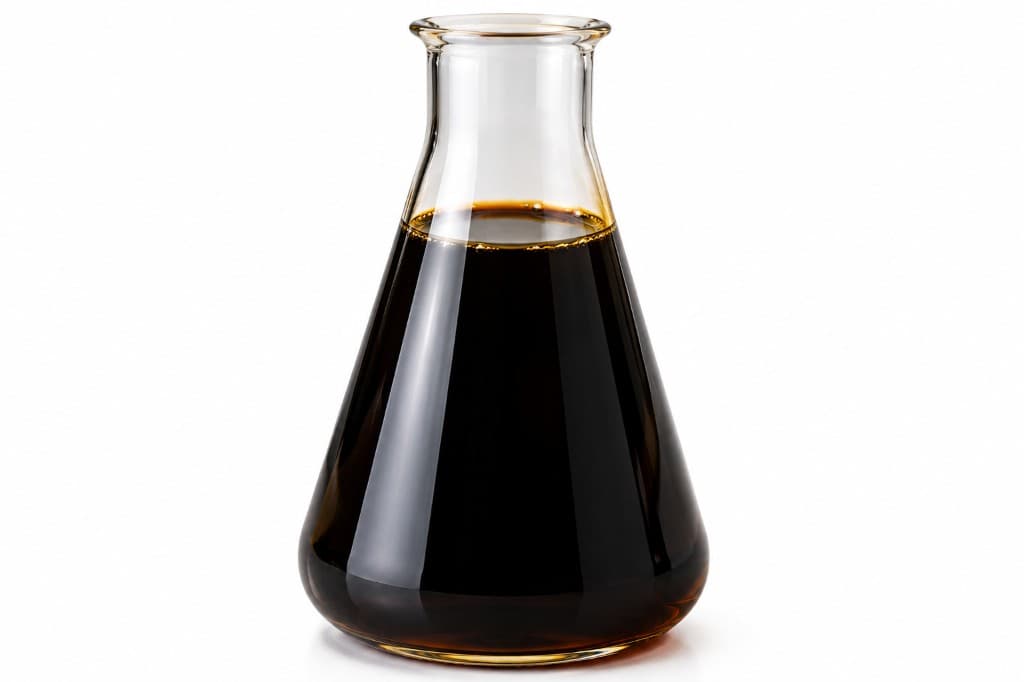
Flask of dark pyrolysis oil

05

Pyrolysis Oil

Liquid fuel oil recovered from the pyrolysis of tyre rubber, used in industrial furnaces, boilers, and kilns.

When tyre rubber is heated in an oxygen-free reactor, it decomposes into hydrocarbon vapours. These vapours are cooled and condensed, and the resulting liquid is pyrolysis oil. It is a dark, energy-dense fuel oil whose calorific value supports a range of industrial heating applications.

The oil is used in applications where fuel oil is conventionally used. Boilers, furnaces, kilns, and industrial burners can operate on it, and it is also used as a feed for further refining and fuel blending. As industries seek to reduce their reliance on virgin petroleum fuels, pyrolysis oil from recycled tyres has established a steady position in the market. Its suitability for a given application depends on its specification, which is confirmed with the buyer before supply.

Features

  • Liquid fuel oil recovered through condensation of tyre pyrolysis vapour
  • High calorific value suited to industrial heating
  • Applicable in boilers, furnaces, and kilns
  • Suitable for further refining and blending
  • Offsets demand for virgin fossil-derived fuel oil
  • Produced from recycled tyre material

Applications

  • Industrial Boiler and Steam Generation Fuel
  • Furnace and Kiln Heating
  • Cement and Lime Production Heating
  • Brick and Ceramic Manufacturing
  • Fuel Blending and Further Refining
  • Industrial Generator and Burner Systems
  • General Industrial Process Heating
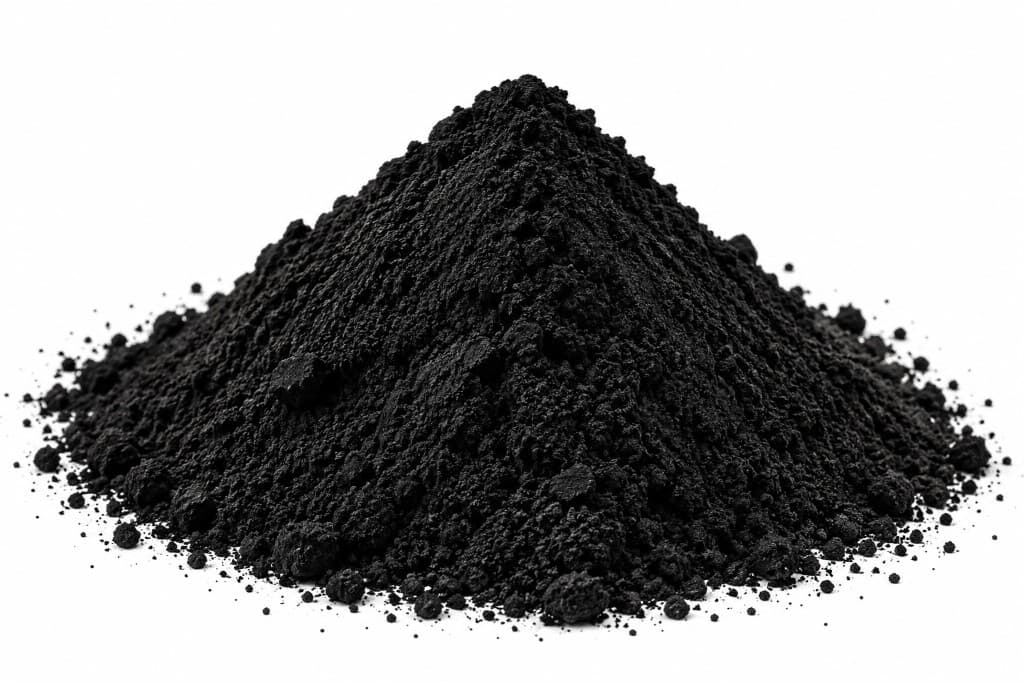
Pile of recovered carbon black powder

06

Recovered Carbon Black

Carbon material recovered from tyre pyrolysis, used in rubber compounding, plastics, pigments, and coatings.

The carbon black that gives a tyre its strength and wear resistance remains in the material at the end of the tyre’s life. During pyrolysis, the volatile components leave the reactor as vapour and the carbon remains as a fine, dark solid. After processing, this material is recovered carbon black, commonly abbreviated as rCB.

Carbon black has served as a functional industrial material for more than a century. In rubber, it provides reinforcement and abrasion resistance. In plastics and masterbatch, it provides colour and UV protection. In paints, coatings, and inks, it provides deep black pigmentation. Virgin carbon black is produced from fossil feedstock, so recovered carbon black offers buyers a route to a comparable functional material with a lower environmental footprint. Performance varies with pyrolysis conditions and post-processing, and the grade is therefore confirmed against the buyer’s application.

Features

  • Fine carbon solid recovered from tyre pyrolysis
  • Functional properties suited to rubber, plastic, and pigment use
  • Alternative to carbon black produced from fossil feedstock
  • Reinforcing and colouring performance across multiple industries
  • Recovered from end-of-life tyre material
  • Established market with long-standing industrial demand

Applications

  • Rubber Compounding and Tyre Component Manufacturing
  • Plastic Masterbatch and Colouring
  • Paint, Coating, and Pigment Formulation
  • Ink and Printing Applications
  • UV Stabilisation in Plastic Products
  • Conveyor Belting and Industrial Rubber Goods
  • Construction Materials and Asphalt Additives

Quality

Specification control and documentation

In the trade of recycled materials, difficulties seldom arise from the material itself. They arise from the difference between what was described and what was delivered. Eliminating that difference is the central discipline of our business.

Before an order is confirmed, we establish the parameters that matter for each product. For tyre shreds, these are size and steel content. For crumb rubber, they are mesh grade and particle consistency. For steel wire, they are form and cleanliness. For pyrolysis oil and recovered carbon black, they are the characteristics on which the buyer’s application depends.

Packing, labelling, and documentation follow the same principle. Material is prepared for the journey it is about to make, and the accompanying documents describe precisely what is in the shipment. When details are agreed in advance, the delivery matches the order.

Enquire about supply

For pricing, specifications, or availability on any product in our range, contact our team and we will respond with clear and accurate information.

Contact Us